Jennifer Daniels Liver Beef Calf Chicken Pig
For those who have visited other posts on this site, you have probably come across some topics in reference to "ageing". The most in depth article that has covered that sub topic as it regards to health and wellness is one titled "The Short Answer To Aging: Lengthen Your Telomeres." In retrospect, I feel a bit re-missed that I overlooked a very important protein in which I failed to even mention a single blurb on in that particular article. That would be collagen.
When I wrote the piece on telomeres, I recall seeing some mention of collagen in some of the researched material but, did not get it into the finalized article before it was published.
Well, thanks to being more informed on this subject in recent weeks, via Dr. Jennifer Daniels radio program , I decided to do some deep research on why collagen is such an important protein and present my findings.
Contents
- 1 What Is Collagen?
- 1.1 Collagen is made up of 4 different amino acids:
- 2 Causes and Symptoms Of Collagen Deficiency
- 3 Some Notable Benefits Of Collagen
- 4 Natural Remedies For Improving The Uptake Of Collagen
- 4.1 Supplementation:
- 4.2 Collagen boosting foods:
- 5 Observations
- 5.1 1. Supplementation and side effects:
- 5.2 2. Assessing Co-factored food sources:
- 5.3 3. Collagen rich food sources (directly from animal/marine source)
- 6 Final thoughts
What Is Collagen?

Collagen is a protein based constituent in the connective tissues of the body. In mammals, this is the most abundant protein accounting for 25 to 30% of the bodies total content thereof. It is one one of several fibrous structural proteins. Collagen's function in the body provides a different purpose than globular based proteins such as enzymes which are soluble and more geared for supporting regulatory functions.
Collagen is made up of fibers known as collagen fibers and have extracellular modalities that support most tissues. It also plays a significant role in building and strengthening cartilage, ligaments, tendons, bone and teeth as well as fortifying blood vessels and elasticity of skin. In addition, collagen has a presence in the in the cornea and lens of the eye in crystalline form. source
There are 28 types of collagen in the body and each one plays a different role in organ health.
Two of which provide a couple vital functions: One type of collagen provides structural maintenance for the skin. Another provides support in cartilage to aid in keeping joints strong.
Video – More on the different collagen types:
Collagen is made up of 4 different amino acids:
- glycine – A non-essential amino acid (meaning the body can produce it on it's own without including it into a diet or supplementing). It is used to build muscle tissue, convert glucose, maintain a healthy nervous system, a healthy digestive system and has been shown to provide antioxidants that protect from certain types of cancer
- proline – An amino acid vital for the production of cartilage and collagen. It aids in the flexibility of muscles and joints and reduces sagging and wrinkling of skin caused by UV exposure and normal aging.
- hydroxyproline – Another non-essential amino acid that is produced from other amino acids in the liver.
- arginine– Another non-essential amino acidthat occurs in proteins and is involved in the urea cycle and in the synthesis of creatine .
Causes and Symptoms Of Collagen Deficiency
Since roughly 30% of bodily proteins are made up of collagen, it is of no coincidence that a deficiency in this vital protein can lead to a number of health issues. On that note, lets look at some symptoms and causes that are indicative of this inadequacy:
Accelerated aging of skin/wrinkles:

Collagen synthesis/production diminishes as we age. Since collagen comprises 80% of the protein in our skin, the declining levels that occur as we age are the prime accountable factor for the loss in smoothness, firmness, elasticity and buoyancy as we get older.
Cellulite:

It is suggested that the reason for the fat deposits that make up cellulite and press their way into the skin tissues (causing the wavy/sagging lines) is due to weakened collagen fibers.
An estimated 85 to 98% of post-pubertal females have cellulite. Very little scientific research has been undertaken as to the physiology of it's pervasiveness in women. In the last 30 years, only a few dozen peer reviewed articles have been published.
However, a long term clinical study was conducted, involving women given bioactive collagen peptides (BCP) for a duration of 6 months. The BCP treatment led to a significant decrease in the density of cellulite and waviness of skin in participants of normal weight . To a lesser degree, the overweight participants experienced a decrease in cellulite as well.
Damage from sun (UV over) exposure:

This is referred to as "photoaging" (as opposed to chronological or natural aging) and is a consequence of overexposure to ultra violet sunlight. Photoaging is caused partly by the damage incurred to the skin's connective tissues and by reduced collagen synthesis. read more here
source
Joint pain

Deficiency in the cartilage (which hold joints together) can have an affect on the durability of joints causing stiffness that leads to joint pain.
Fragility of bones:

An estimated 6.8 million bone fractures occur alone in the United States as stated by the American Academy of Orthopedic Surgeons. The estimates suggest that each person will sustain 2 fractures over the course of a lifetime.
Collagen accounts for 90% of the bones' organic components. This is the vital living tissue of the bone and is crucial to reinforcing the bone's ability to sustain higher impact and flexibility. When collagen is diminished (in particular Type 1 collagen) the strength of the bones are greatly compromised. read more here
Muscle aches:

Collagen is a medium for the cementing of muscle fibers. Frequently aching muscles are a sign that you could likely be collagen deficient.
Problems with blood pressure:

A deficit in collagen can also affect blood vessels. Which include, recurrent headaches, chest pain, dizziness and fatigue.
Loose teeth (tooth aches)

Collagen aides as a foundation for binding teeth to gums. The lack of thereof can cause the loosening of teeth and eventual impairment, thus being a probable sign that you are collagen deficient.
Cancer:

It has been hypothesized that an invasive/metastasizing cancer could be systemic (secondary) to a degeneration of connective tissues. In particular, diminishing of the connective tissue of the basement membrane, which underlines the epithelium (cellular covering of internal and external surfaces of the body) of the dermal and mucosal (mucous membrane) tissues. It is suggested that the causation of this could be a deficiency in vitamin c.
Furthermore, this vitamin c deficiency is the causal factor due to the liquefaction of collagen in the epithelial and connective tissues. This then, results in a breakdown in the systematic arrangement of cellular structure that could be a harbinger for malignant/metastasizing cancer. read more here
sources: 1,2
Some Notable Benefits Of Collagen
Here are some beneficial factors, in addition to mitigating the causes and symptoms aforementioned above, that can be remedied with collagen.
- Revitalize hair, skin and nails
- Fortify skin elasticity and reduce the signs of aging
- Improved digestion
- A substantial source of protein
Natural Remedies For Improving The Uptake Of Collagen

Now lets explore some viable options for getting this important protein into our bodies to either heal or preemptively address the symptoms and causes of collagen deficiency mentioned above.
Supplementation:
As with any regimen for implementing improved health and wellness, supplementation is probably the easiest (less time consuming) way to go. When it comes to getting collagen into the body and or boosting collagen production/synthesis in the body there are mixed opinions as to the results. Some say they have yielded positive outcome and others are more skeptical.
Either way, here are the supplements that seem to get the most positive sentiment:
Gelatin:

Gelatin has been known for nearly a century to to provide improvements to hair, skin and nails. It is also known as "cooked collagen" and is considered to be a super-food that protects from inflammation and has anti-aging properties.
Gelatin contains the important amino acids (especially rich in glysine and proline) that are absent in the standard American diet. Gelatin is low in methionine which is a proteinogen/essential amino acid and prevalent in lean muscle meats.
Although methionine has many virtuous benefits, it is also claimed that an over consumption of these "methionine" rich meats can have inflammatory consequences. So, If one consumes these lean muscle meats daily it would probably be all the wiser to consider adding gelatin or another source of collagen to better balance your diet.
sources 1,2
Mango-Lime gelatin gummy recipe:
Here is a simple recipe that contains 4 basic ingredients:
- 1 large mango, peeled and cut into chunks;
- 1/3 cup lime juice;
- 1/3 cup water;
- 4 tbsp gelatin powder;
read more here on preparation.
Precautionary side effects to be aware of when supplementing with a gelatin powder:
If you are using this medium of supplementation, it is important to take into consideration that gelatin has been purported to cause digestive issues, including: constipation and bloating. Consuming too much too fast can overwhelm the gut, leading to those repercussions. It would be a wise choice to make sure you drink enough water and take digestive enzymes when supplementing with gelatin. read more here
Vitamin C:

Vitamin C is crucial for the secretion of collagen. It is an essential nutrient that helps to provide the body's ability to to uptake collagen. When collagen is being produced, a number of events occur inside and outside the cell. Vitamin C activates inside of the cell to produce proline and lysine.
Since the body must continually produce collagen, it is important to have adequate levels of vitamin C to complete this process, due to the fact the vitamin C is constantly being used up or destroyed during the cycle. In short, without Vitamin C this action is disrupted. Vitamin C is not a collagen source in and of itself per se, but is a vital component in the building process of collagen and is an essential nutrient, which is to say, the body cannot produce it on it's own. source
Collagen Hydrolysate:

Also known as Hydrolyzed Collagen, this powdered supplement is highly concentrated with the amino acids glysine, lysine and proline. It is beneficial in restoring the synovial fluids (a clear fluid that serves as a lubricant for joints and tendons) between the joints. These amino acids are found in lower amounts in other protein drinks. Due to it's molecular structure, hydrolyzed collagen is more easily digested. The absorption time is about 30 minutes. source
Collagen boosting supplements for bone fractures:
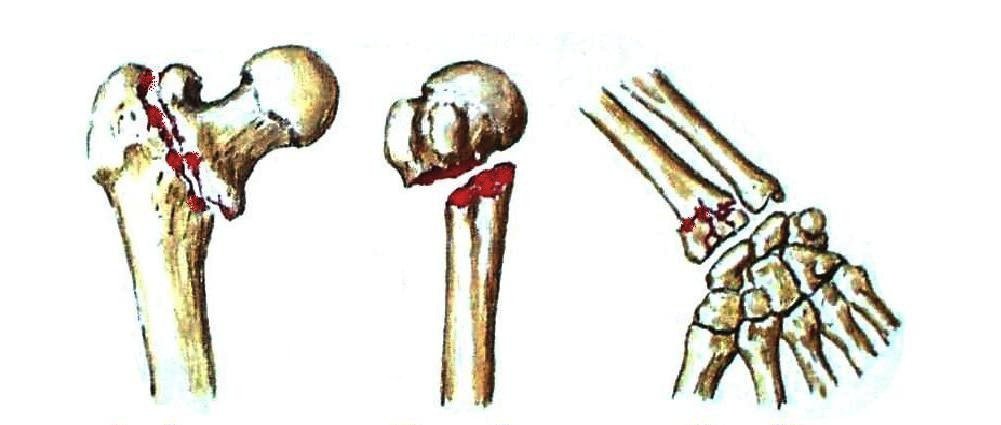
When a bone is fractured, the tightly bound stands of collagen in the mineral formation of the bone are ruptured yielding a release of oxygenated radical metabolites. These free radicals are the culprit for the inflammation suffered causing a further breakdown of collagen as a result of the fracture. Here is a list of supplements that can help suppress the repercussions of these free radicals that deplete collagen integrity and help to speed healing:
Note: These items are co-factors, which is to say they do not contain collagen but will aid in the synthesis of collagen and (or) stabilize it.
- Vitamins E and C (mentioned above), lycopene, and alpha-lipoic acid – Research has suggested that these can reduce the stress incurred by free radical damage and improve the healing of fractures.
- Copper – Copper supports the formation of bone collagen and is imperative to the healing process. The body's dependency on both copper and zinc rises in accordance to the severity of the fracture. Read more on copper here
- Silicon –For some time now silicon in it's bio-active form "silica" has been known to be an effective co-factor for the synthesis of collagen.
- Vitamin K –As far back as 1960 it has been noted that vitamin K has an advantageous effect on fracture healing and has a profound effect on all collagen tissues, chiefly bone tissue. In researched findings, vitamin K is appropriated to the site of fracture resulting in markedly depressed circulating levels of vitamin K in fracture patients.
source
Collagen boosting foods:
There are a number of food sources that can help in restoring collagen in the body. Some of these foods are merely co-factors that aid in the production of collagen (which do not contain collagen) while others are actual collagen containing foods.
Co-factored food sources:

- Dark green vegetables: Veggies such as spinach, kale and cabbage are benefactors in a daily diet in that they contain the anti-oxident lutein. Recently, French researchers have revealed the claim that lutein fights wrinkles by way of hydrating skin and promoting elasticity. To get the optimum results, it is said that it is required to consume the equivalent of 10mg of lutein, which adds up to 4oz of spinach or 2oz of kale.
- Beans: Beans aid in producing an important anti-ageing element called hyaluronic acid. A good target would be to aim for at least two table spoons of either butter or broad beans.
- Red pigmented fruits and vegetables: Due to the presence of lycopenes (a carotenoid and phytonutrient rich anti-oxidant that protects against degenerative diseases) in this food source, the anti-oxident properties help promote the production of collagen. Researched studies have shown that these anti-oxident/phytonutrient rich food types protect the skin from UV damage.
- Vitamin C: As mentioned previously, vitamin C is a substantial co-factor for the production of collagen.
List: the top 10 vitamin C rich foods.
- Prunes and blueberries: Free radicals are one of the biggest culprits of ageing via the fact they attack the cohesion of healthy skin tissue. Anti-oxidents are the prime counterweight protection against this assault and prunes and blueberries have among the highest amount in this regard. Eating 5 or 6 prunes or a small bowl of blueberries daily would be a good RDA.
- Green/black olives, cucumbers and celery: These vegetables are dense in sulfur content, which is another important element in the production of collagen.
- Raw carrots, fresh cantaloupe and baked sweet potatoes: Working in confluence with sulfur, vitamin A is viable booster for collagen production and these are near the top of the list in vitamin A content.
- Manuka Honey: This honey is native to new Zealand and has unique healing properties. It has been used by the indigenous people (Maori) of that region for centuries. There are claims that this honey can restore and rejuvenate skin when used topically. Because of it's anti-oxident properties, it can also proliferate the formation of collagen and thus, simulates skin cell renewal.
source
Collagen rich food sources:

It's important to note that only animals have collagen. So, for vegans and vegetarians the co-factored foods mentioned above are going to be a source for helping the body restore collagen and are not a direct source of collagen in and of themselves.
Dr. Jennifer Daniels, on her radio show on May 13, 2018, spoke extensively about how to get the best sources of collagen into your diet and how there is misnomer as to how many websites list many of the co-factored foods (cited above) that top the lists, but yet have no collagen content chiefly because most of them are plant based. Listen here
The animal (and marine) based foods listed below (according to my findings in research) are the best known direct sources of collagen.
Pigs feet:
Also called "trotters", pig feet are extremely dense in collagen. They are considered by many to be a delicious and favored food. Nutritional experts say that it can be added to our own collagen and assimilate as raw material for collagen synthesis in the human body.
In New York, a Japanese restaurant that opened back in 2008 drew a lot of buzz for featuring pig's feet dishes on 33 of 39 of their menu items. The owner of the establishment, Himi Okajima, stated that pigs feet are rich in collagen. He went on to point out that collagen helps to retain hydration in the body. He claims that if people in their 30s began to consume collagen they would look younger by their 40s. Okajima also started a chain of restaurants in Japan that features collagen based cuisine. read more here
Video – Pigs feet recipes
Pigs ears:
Pigs ears are probably the most collagen dense food you can add to your diet. There are many recipes one can look up including some here and also the video below:
Chicken Feet:
Chicken feet are especially rich in collagen and in particular the chicken claws. This was revealed in study conducted by the Faculty of Veterinary Science Chung-Hsing University in Taiwan. source
Video – chicken feet recipes:
Cows feet:
Yet another bountiful collagen source, cows feet are most commonly served for the culinary purpose of making stock and stews.
Videos – cows feet recipes:
Bone broth:
Bone broth is one of the more well known collagen dense dishes and is probably the simplest to prepare:
Video – bone broth recipe:
Fish head soup:
Once again, another extremely solid source of collagen. This source cites fish head soup as being a great booster for his kids during school exam periods and also states that it increases the growth of milk production for breast feeding mothers. see recipe
Video – more fish head soup recipes:
An important factoid to work into this equation when considering getting collagen from animal (marine) sources:
You will get very little collagen from the lean meats of the animal and marine sources mentioned above (or any animal/marine sources for that matter). Most of the collagen resides in the joints, tendons, organs, fat and skin tissue (essentially the connective tissues). More on this is explained in the video below:
Observations
In researching and writing this piece, I had 3 primary takeaways I would like to share:
1. Supplementation and side effects:
The best substantiated findings I came across in putting this article together as to the side effects of supplementation was the digestive issues that can manifest from products like gelatin powder. It is true that these supplement powders are highly processed but, a lot of the data regarding the side effects seems to be somewhat trivial or anecdotal.
If you do some poking around the web you will find claims such as, high calcium levels (which can lead to nausea, constipation, vomiting and abnormal heart rhythms), Hypersensitivity and leaving a bad taste in the mouth. example here
Since supplementation is usually the easiest and quickest method of delivery when it comes to getting nutrients into the body it would probably be wise to start with low doses monitor how your body responds and work your way up to an optimum dosage thereafter and as mentioned above (pertaining to gelatin supplementing), drink plenty of water and take a digestive enzyme like hydrochloric acid to help break down and assimilate the high protein content.
Also, on the subject of supplementation and side effects: I thought this would be as good a place as any to implore you the reader to inform your doctor/practitioner/health care provider if you are interested or planning on using these supplements, as it is always wise to keep him/her informed (especially if you are on medications).
2. Assessing Co-factored food sources:
Most of these food sources are ones that I have written about in several other posts and they do provide tremendous nutritional value. However, since none of these foods contain collagen, you would probably have to consume ridiculously vast amounts of them daily (especially if you are a vegan/vegetarian) to get enough into your system to convert it into enough collagen to do any good. So, I would suggest that it is likely not realistic or sustainable to rely on those foods alone.
Taking the collagen supplements mentioned above or a collagen rich animal protein directly from the animal in conjunction with the plant based foods (fruits, nuts and vegetables) would probably be best option.
Again, if you are a vegetarian, probably the best you can do in addition those co-factored foods is to make sure you are getting enough vitamin C to help in the stabilization of the collagen that is currently active in the body.
One of the most debated topics in terms of nutrition is whether a plant based diet or a animal based diet is best. I'd suggest that the animal based diet wins the argument in the case of collagen proliferation and restoration pretty easily.
3. Collagen rich food sources (directly from animal/marine source)
If you are like me, you are saying to yourself that these food sources in the videos above do not have the appetizing appeal that lean meats from these animals do. Well, the truth of the matter is, that's where all the heavy artillery is found if you are serious about combating a collagen deficiency.
These foods (dishes) have been consumed in eastern diets for centuries and there has been somewhat of a falling away from this in western culture within the last century or so. I doubt that it is a mere coincidence that the people who partake of these dietary habits typically look younger and are overall, healthier.
However, Something worthy of mention is that we all metabolize differently and taking that into account is worth being mindful of, in my opinion, in reference to how much of these foods you should consume. As individuals, some may not be able to assimilate the high protein content as easily as others. I cover this more in my post What is a Metabolic Typing Diet? Finding Your Metabolism Specific Blueprint.
Final thoughts
Much of the information I attained in learning about collagen while researching for this piece has brought revelations that has changed my way of thinking on a couple things. One of them is "pork". I gave up eating pig some time ago due to some held beliefs that it is not the most healthy form of animal protein. Now, after what I have learned here as to the importance of a collagen rich diet, It looks like I may have to second guess myself on this one.
Also, I brought home some braised chicken for dinner tonight and normally I would remove all the fat, gristle and skin before consuming, but with the new found knowledge that most of the collagen is in those parts (tissues cartilege ect…), I instead put myself on gag-reflex alert and decided to consume all of the chicken except the bones. Surprisingly, it wasn't that bad and actually pretty good with the rest of the meat. So, a step in the right direction and maybe the pigs ears, trotters, chickens feet and fish head soup will eventually make it onto my menu next.
Best of health to you
Referenced sources:
https://www.peacefuldumpling.com/recipe/vegan-bone-broth-alternative
https://www.healthcentral.com/article/how-to-increase-collagen-by-eating-the-right-foods
https://blog.undoctored.com/could-you-have-a-collagen-deficiency/
https://www.seleneriverpress.com/historical/cancer-a-collagen-disease-secondary-to-a-nutritional-deficiency/
https://www.healthworkscollective.com/4-symptoms-collagen-deficiency/
http://www.tandurust.com/skincare/collagen-deficiency-signs-treatment.html
http://www.tandurust.com/health-faq-6/collagen-deficiency.html
http://www.ecolife.com/beauty/natural-facial-care/homemade-facial.html
http://vitalitycapsules.com/where-is-the-collagen
https://steptohealth.com/8-foods-replenish-skins-collagen/
http://peckthebeak.com/2010/06/pigs-ear/
https://www.foodconfidence.com/2017/03/16/the-truth-about-collagen-supplements/
https://www.marksdailyapple.com/collagen-benefits/
https://blog.undoctored.com/could-you-have-a-collagen-deficiency/
https://www.cellbone.com/collagen-bone.html
https://saveourbones.com/6-easy-ways-to-boost-a-major-bone-matrix-component-that-prevents-fractures-the-medical-establishment-completely-ignores-this/
https://www.betterbones.com/fractures-and-healing/speed-healing/
Source: https://situationalwellness.com/the-health-virtues-of-collagen-sources-uses-and-benefits
0 Response to "Jennifer Daniels Liver Beef Calf Chicken Pig"
Post a Comment